Sourcing from China in 2026: Step-by-Step Guide for B2B Buyers
By Xinchout TeamJune 25, 20267 min readSourcing Guide

Why Source from China?
China remains the world largest manufacturer of craft supplies, offering 30-60% cost advantages over domestic suppliers. With improved logistics and quality control systems, sourcing from China has never been easier for B2B buyers.
Platform Comparison
| Platform | Best For | MOQ | Price Level |
|---|---|---|---|
| Alibaba | General B2B sourcing | 50-500 pcs | Medium |
| 1688.com | Domestic wholesale | 10-100 pcs | Lowest |
| Made-in-China | Industrial products | 100+ pcs | Medium-High |
| Direct Factory | Custom orders, bulk | Negotiable | Best value |
Step-by-Step Process
- Research and Shortlist - Identify 5-10 suppliers, check certifications (SGS, MSDS, REACH), verify factory through video call
- Request Samples - Always order samples ($50-150 including shipping). Test quality, packaging, and curing/clarity for resin products
- Negotiate Terms - Discuss MOQ, payment terms (30% deposit / 70% before shipment is standard), lead time (typically 7-15 days)
- Quality Control - Specify QC checklist, request pre-shipment photos/video, consider third-party inspection for orders over $5,000
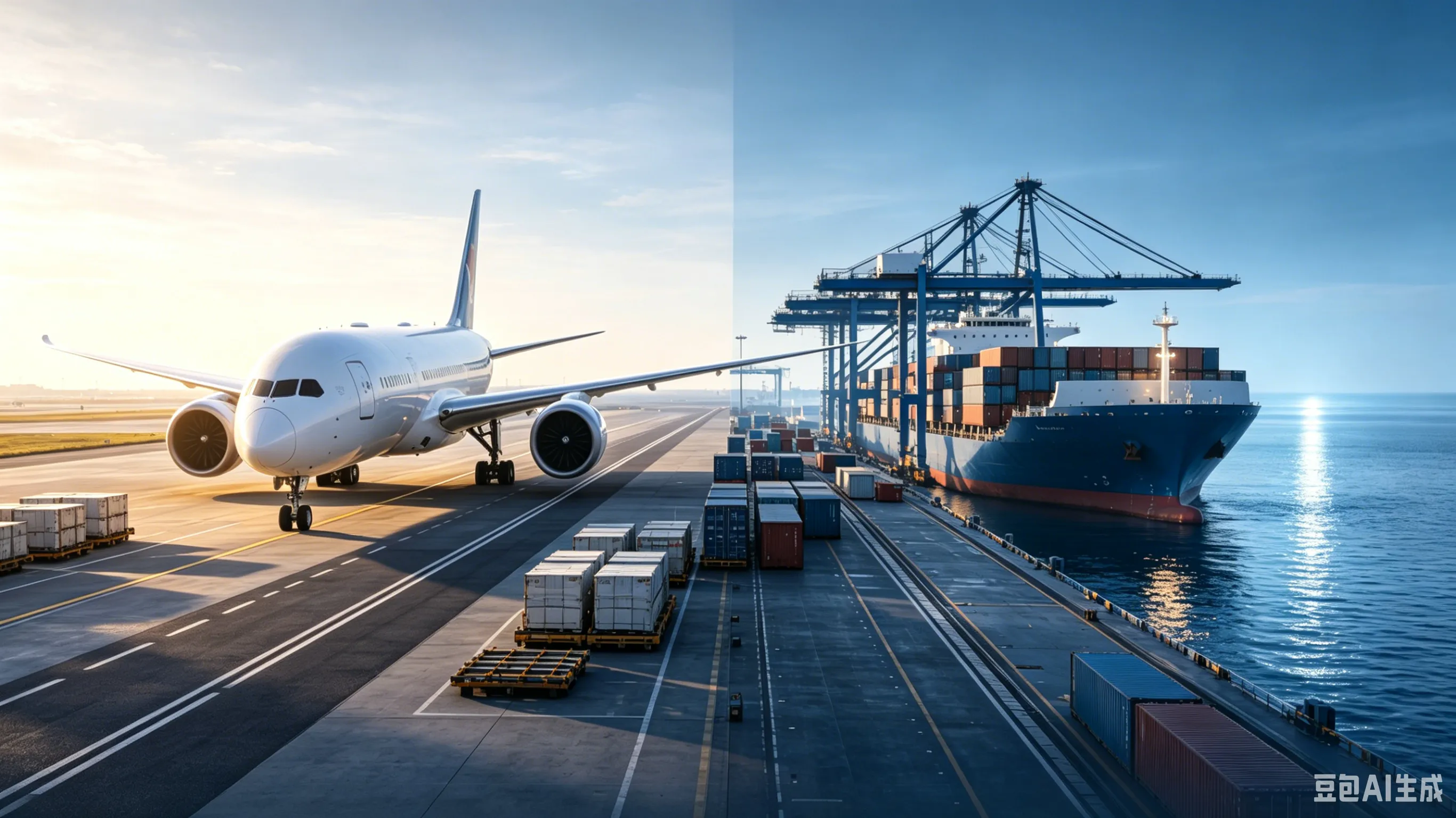
- Shipping and Logistics - DHL/FedEx (3-7 days, best for samples/small orders), Sea freight (25-35 days, best for bulk), Air freight (5-10 days, middle option)
Why Choose Xinchout?
With 9 years of export experience, Xinchout serves B2B buyers in 12 countries. We handle everything from production to door-to-door delivery. All products come with required certifications for EU, US, and Middle East markets.
- MOQ: 50 pcs per design
- Free samples for qualified buyers
- OEM/ODM custom mold design available
- DHL/FedEx/UPS express with tracking